Bulk Landscape Materials for Indiana Lanes, Beds and Wet Ground
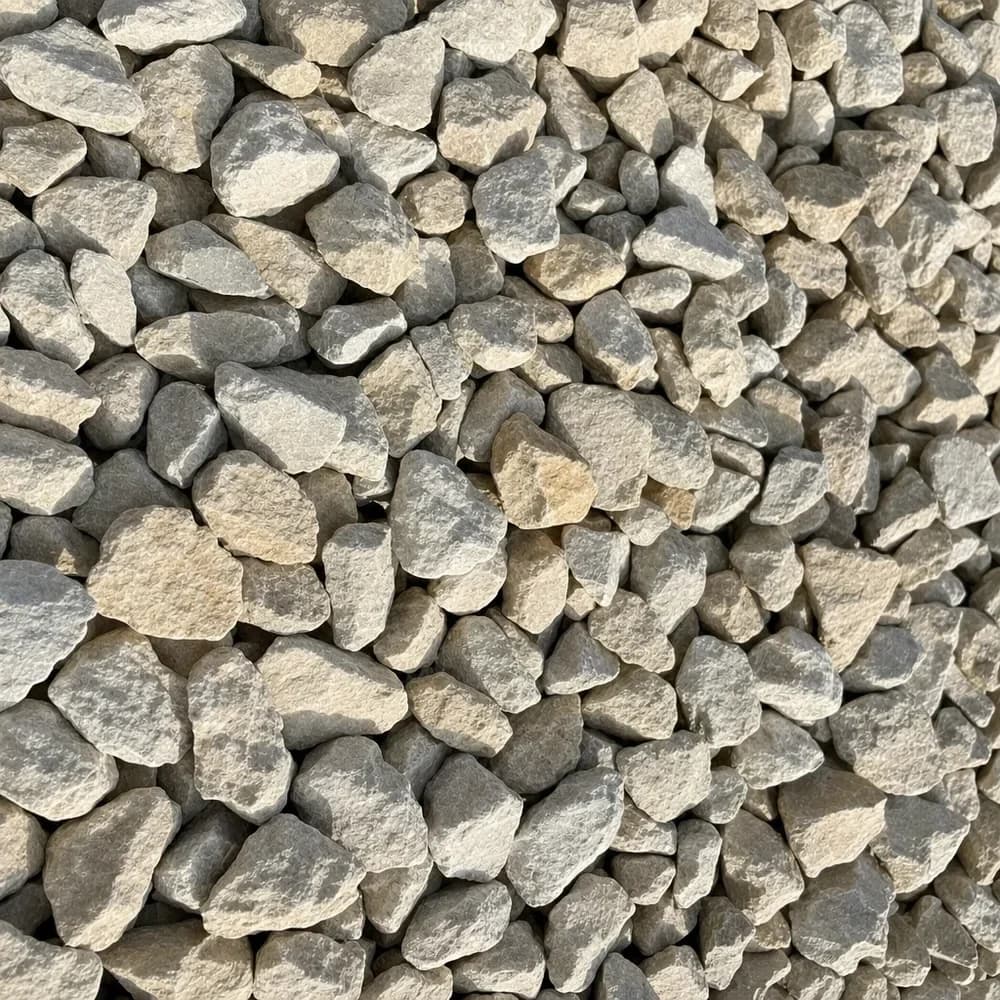
Driveway Gravel
For an Indiana farm lane or home entrance, Driveway Gravel provides crushed aggregate that tightens under traffic for a durable access surface. Size: 3/4 inch. Grading: Graded mix of stone sizes. Type: Crushed stone.
Free Delivery
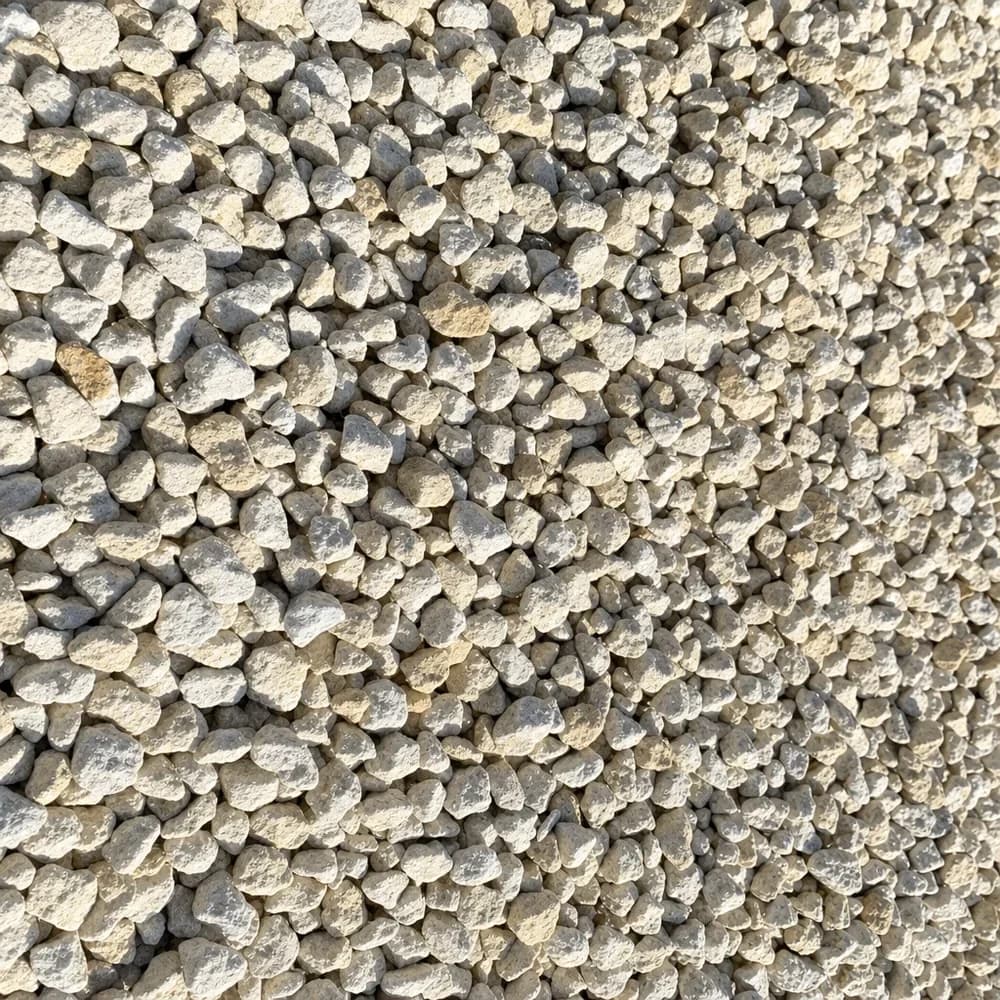
Walkway Gravel
Give water a route away from the path before the material is spread. Walkway Gravel in Indiana settles into a firm garden walk while letting rain move through the surface. Size: 3/8 inch. Grading: Graded mix of stone sizes. Type: Crushed stone.
Free Delivery
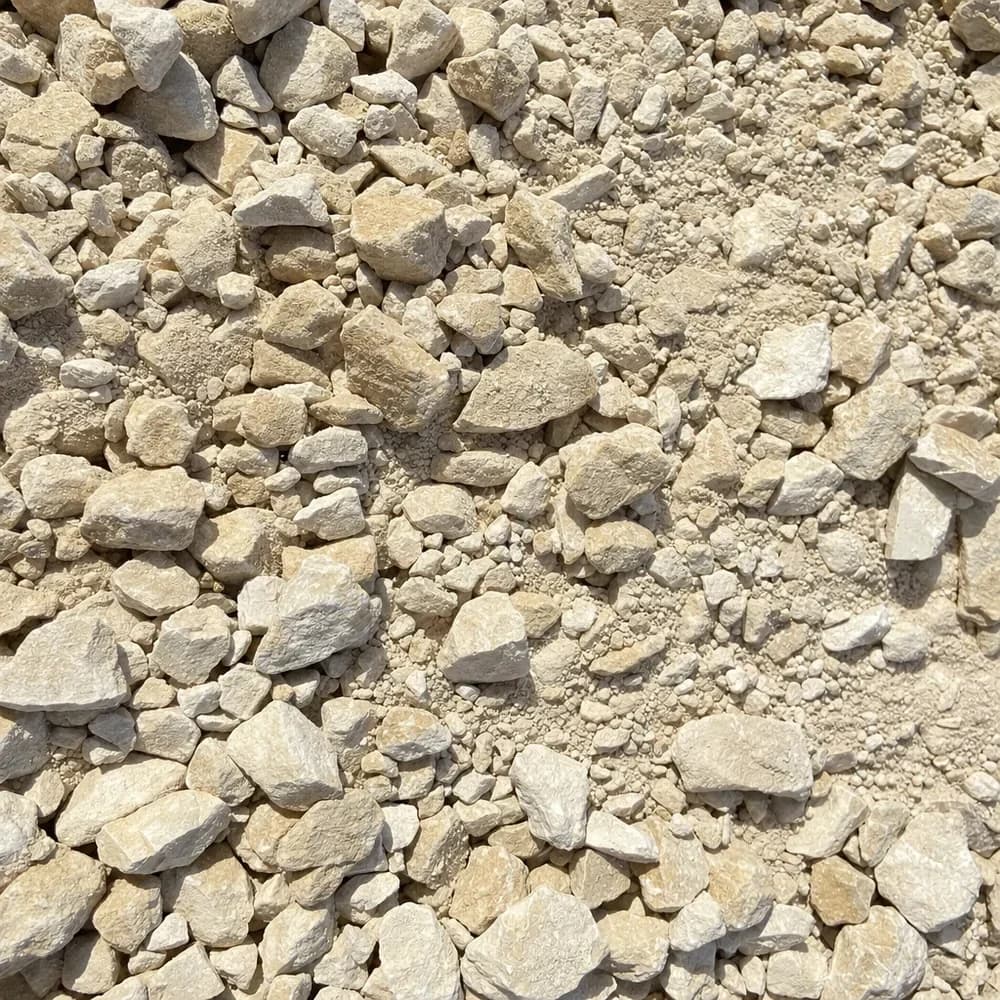
#73 Stone
#73 Stone helps Indiana farm lanes and pole barn pads start with a packed base where flat ground can stay wet. Size: 3/4 inch minus. Grading: Crushed stone blended with stone dust and fine particles. Type: Angular crushed stone.
Free Delivery
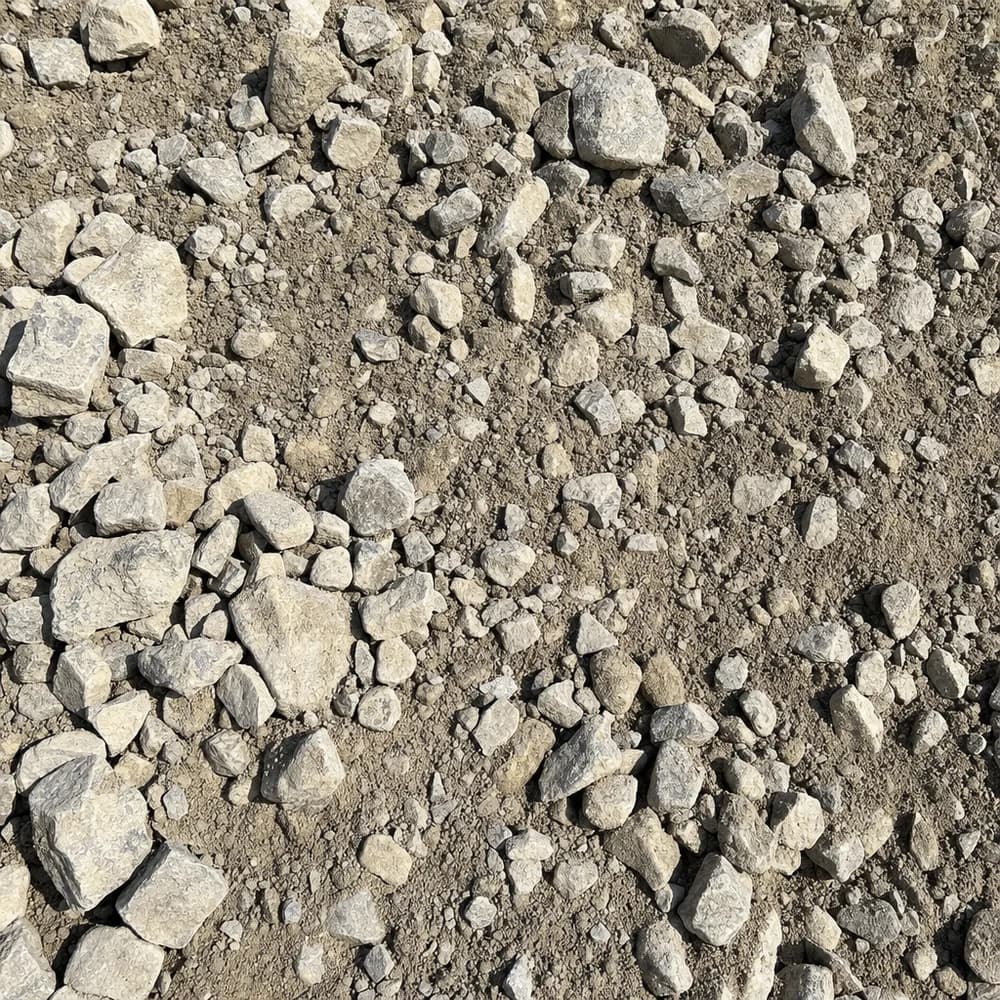
#53 Stone
#53 Stone gives Indiana farm lanes and pole barn pads a compacted foundation for equipment traffic and regular vehicle use. Size: 3/4 inch minus. Grading: Graded mix of crushed stone, gravel and binding fines. Type: Crushed aggregate blend.
Free Delivery
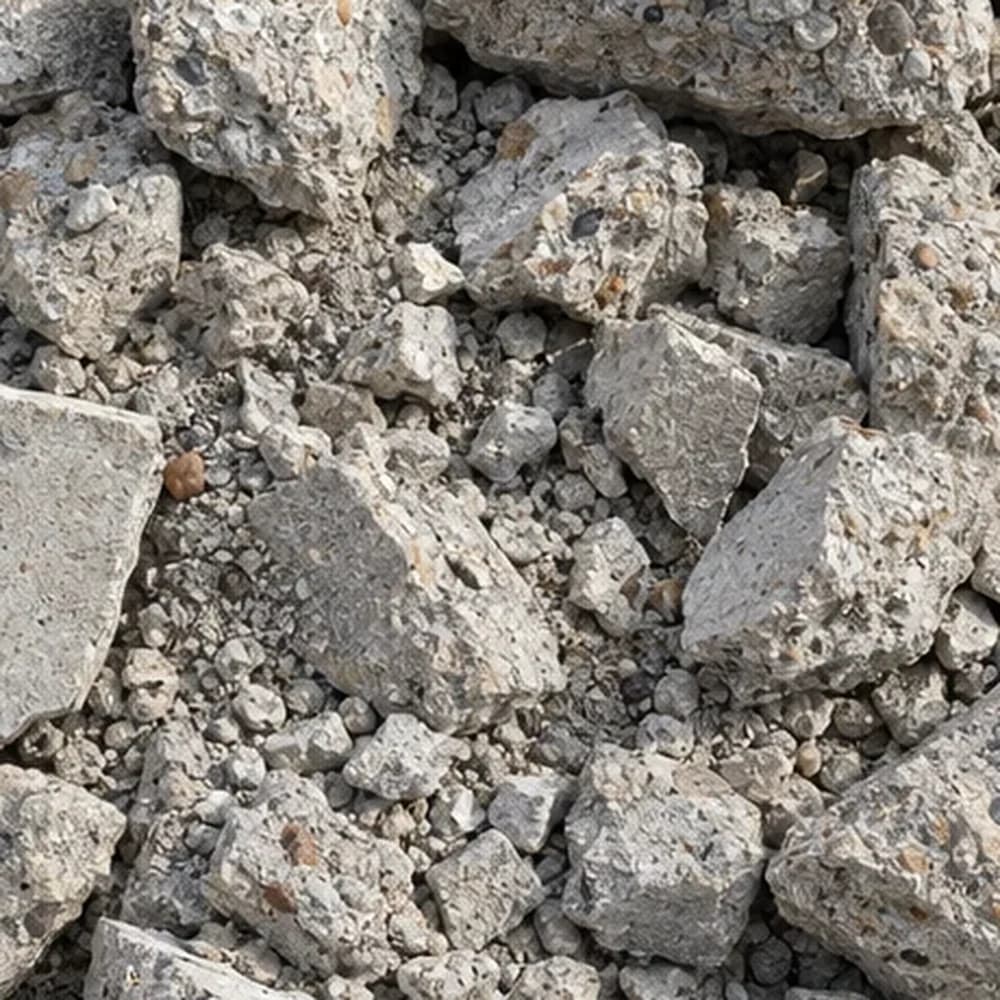
Crushed Concrete
A farm lane or pole barn pad in Indiana can stay soft when water lingers; Crushed Concrete provides support below the surface. Size: 3/4 inch. Grading: Angular pieces blended with fines. Type: Recycled crushed concrete.
Free Delivery
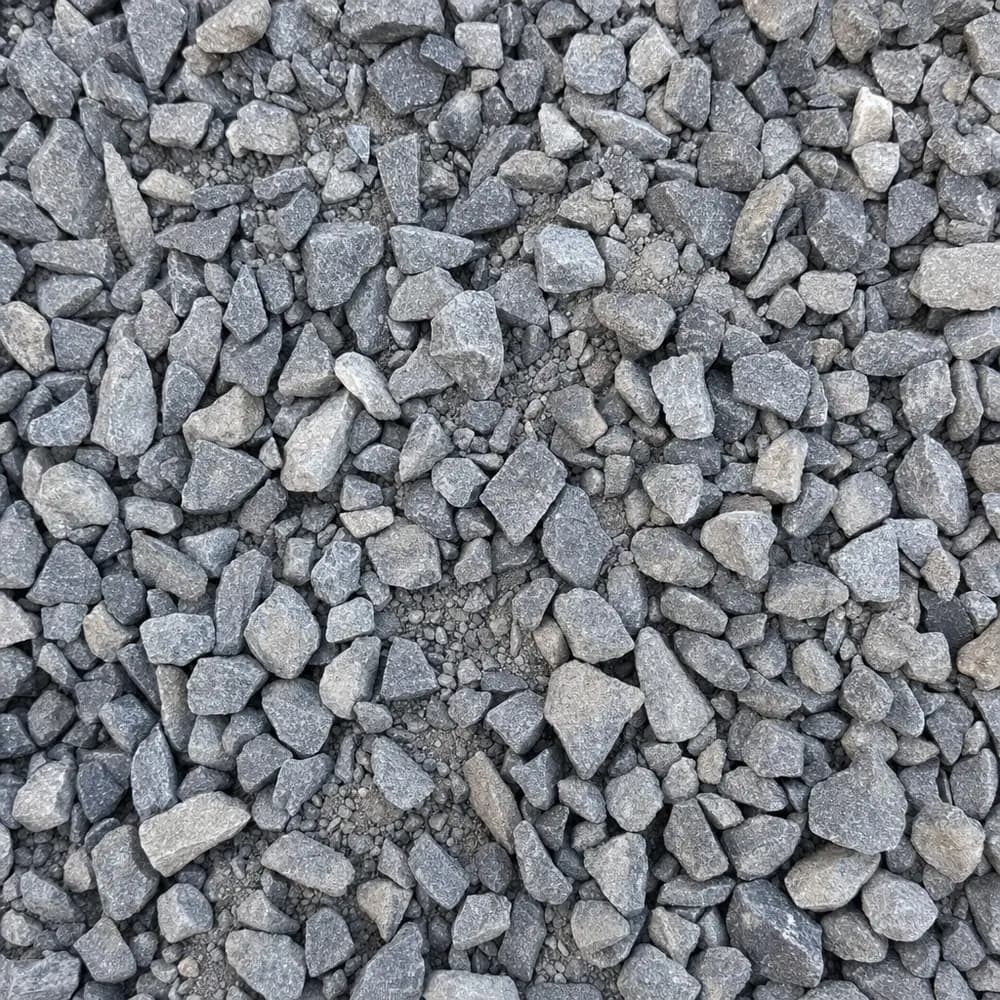
Gravel Sand
3/4 inch minus crushed stone blended with fine stone dust. Compacts tightly to create a rock-solid base for driveways, patios, and construction projects.
Free Delivery
Nine orders in ten here begin with the same problem: a drive, a lane or a pole barn pad that has stopped holding up on slow-draining till. Everything below is arranged around what the layer has to do rather than what it looks like in a pile, because on this ground those two things come apart quickly.
Choose a Dense Graded Stone If the Layer Has to Carry Weight
Dense graded means crushed stone with fines built into the grading, so it locks up when it is compacted with some moisture in it.
- #53 stone is the base course. One inch minus, specified locally as compacted aggregate size number 53, and the one to order when equipment, a grain truck or a slab will sit on it.
- #73 stone is the finer dense graded size, 3/4 inch minus, for topping and resurfacing a lane, a parking area or a shoulder that already has something firm under it.
- Driveway gravel is the 3/4 inch surfacing course that tightens under traffic.
- Walkway gravel is the 3/8 inch version for garden paths and entrances on foot.
Choose a Clean Washed Stone If Water Is the Real Problem
Washed stone has the fines taken out, so water runs through it and it never firms up. Use it where the load is water rather than weight.
- #57 stone and 3/4 inch crushed stone for tile beds, trench drains and drainage layers.
- Drain rock for footing drains, downspout runs and the corner of a yard that ponds every March.
- #8 stone and #67 stone where pipe bedding or a smaller free-draining size is wanted.
- #4 crushed stone and railroad ballast for an open lower layer under a lane or a hard standing on ground that stays wet through winter.
Choose a Fine Stone or Sand If You Are Bedding and Screeding
- Limestone screenings for setting pavers and flagstone on a prepared base.
- #89 crushed stone and 3/8 inch crushed stone for joints and close-fitting bedding.
- Mason sand for mortar, paver joints and play areas, and washed sand for pipe bedding, backfill and mixes.
Choose Armor Stone If a Bank or Ditch Is Cutting Back
RipRap runs from roughly 4 inches upward and is the size class that stays where it is put. It is what goes on a scouring ditch bank, a culvert outlet or a shoreline, and it is graded locally as revetment, Class 1 and Class 2. Placed in a layer thick enough to interlock, over a filter fabric sourced from a landscape supplier, it stops the loss; light stone at the same spot simply moves downstream.
Choose Soil, Fill or Mulch If the Job Ends in Planting
- Fill dirt for raising grade, filling low spots and backfilling before a base goes down.
- Top soil, screened, for lawn and bed prep over heavy clay.
- Garden soil for raised beds and planting areas.
- Shredded mulch for beds and tree rings through a hot, humid summer.
Choose Rounded Rock If the Finish Has to Be Seen
River rock at 1 to 3 inches suits borders, dry creek beds and the visible top of a drainage detail. Large river rock at 2 to 4 inches carries heavier decorative and erosion work, and 3/8 inch natural pea gravel gives a path, patio or play area a smooth rounded surface.
Once the material is settled, the calculators turn a measured area and a depth into cubic yards and tons for that product's own published weight, and how delivery is arranged covers access and the drop spot.
Common questions
The calculator lands between two quantities. Do I round up or down?
Round up on anything that gets compacted, and down on anything decorative. A base course that finishes shy in the wheel tracks is the part that ruts first, and surplus dense graded stone always finds a home in the soft patch by the gate. Decorative rock is the opposite case: color and size vary a little between loads, so a top-up ordered later is more noticeable than a slightly thin bed.
Why do the product names use numbers instead of plain descriptions?
Because that is how material is specified and ordered in this state. The size numbers come from Section 904 of the state standard specifications, where 53 is the dense graded compacted aggregate and 73 is the finer dense graded size. Using the number means you and the person loading the truck are talking about the same grading. It is a description of the material, not a certificate that comes with the load.
Is there a season when a material choice changes?
The material rarely changes with the season, but the timing of the work does. Anything that has to compact wants late spring through fall, once saturated clay has dried enough to hold a roller, and frozen ground stops compaction through winter. Decorative stone, mulch and soil for a border can go down in any dry stretch, because nothing under them is being asked to carry a load.
How do I work out the quantity for a bed that is not a rectangle?
Break it into pieces. The calculators accept up to five separate areas and total them, and one of those areas can be a circle entered by its diameter, so a kidney-shaped bed becomes two or three shapes you can actually measure with a tape. Where the edge is genuinely ragged, measure the rectangle that just contains it and subtract an allowance for the corners you are leaving out.