Screened Top Soil for Indiana Yards on Silt and Clay
On Indiana ground that stays wet through winter, Top Soil finishes prepared planting areas for turf, garden work, and landscape beds.
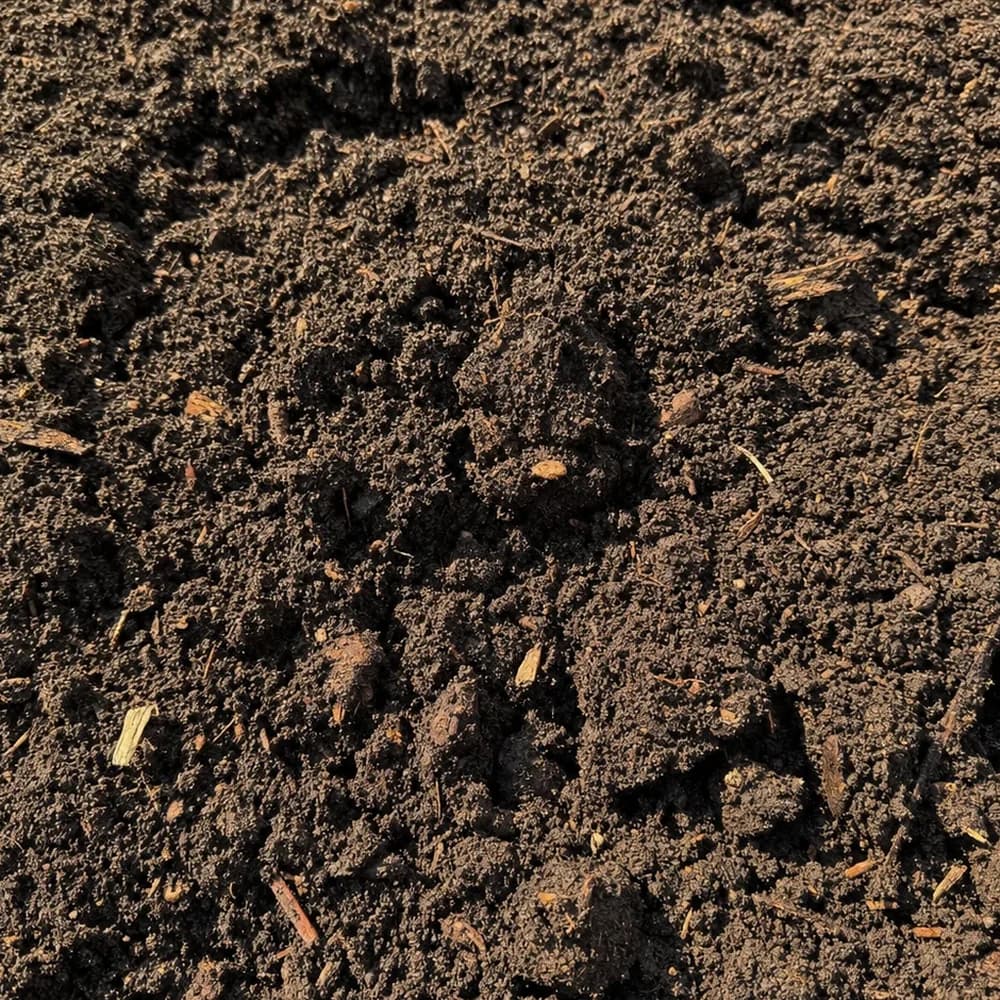
- Size: Screened; free of rocks, debris and large clumps
- Grading: Balanced sand, silt and clay
From $391 for 1 ton, delivery included (larger loads cost significantly less per ton)
Free delivery included
Free delivery anywhere in Indiana
Pick a delivery date
Weekday delivery, earliest Oct 30
“Ordered top soil from this company, and the driver was friendly and careful about where he placed it.”
Michelle P. · Verified Buyer
Get a Free Quote
Fill out the form and our sales team will get back to you within the hour.
Size and Grading
- Size
- Screened; free of rocks, debris and large clumps
- Grading
- Balanced sand, silt and clay
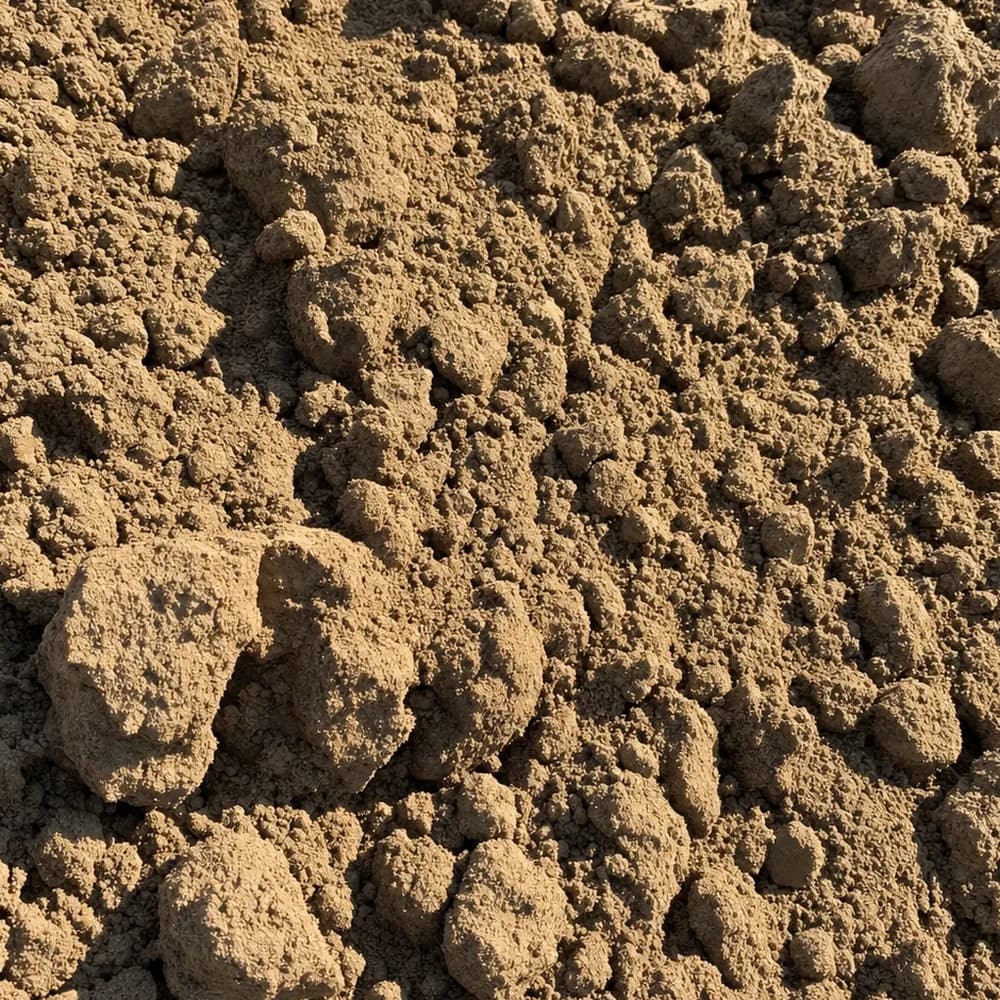
Walk up to a dropped load of top soil and you can read it in about ten seconds. A handful should crumble rather than ribbon, hold together when squeezed and then break apart when you poke it. You should see no stones, no root wads and no baked clods the size of a fist, because it has been screened. On the silt flats along the Wabash and the White the native ground is fine and slick and packs down hard under a wheel, so a soil that stays open and workable is doing something the site cannot do for itself.
Order top soil when nothing is left for roots to work into
- The existing surface has been scraped, rutted or buried by construction and there is nothing left for roots to work into.
- You are seeding or laying sod and want an even two to four inches of workable soil across the area rather than patches of subsoil.
- A bed, a planting strip or a low corner of the lawn needs bringing up by a few inches and then growing something.
- The ground is heavy silt or clay and you want a friable layer on top that a rake and a seed spreader can actually work with.
Leave it on the truck when the problem is really grade or water
- You need to raise ground by a foot or more. That is a job for fill dirt, with a thinner growing layer over the top once the grade is right.
- Water stands there through the winter. A soil layer cannot invent an outlet. Sort the fall of the ground or the drainage route first, then finish with soil. Soil spread over a wet low spot just gives you a wetter low spot with better grass on it.
- You are filling raised beds for vegetables, where garden soil is the product built for that job.
- Something structural is going on top. Nothing bearing a load sits on soil.
Where it sits in the stack, and what goes under it
| Layer | Material | What it is doing |
|---|---|---|
| Bottom | Existing subgrade, corrected | Sets the fall of the site and where water leaves |
| Fill | Fill dirt | Raises grade in bulk before anything grows |
| Growing layer | Top Soil, screened | Two to four inches of workable soil for roots |
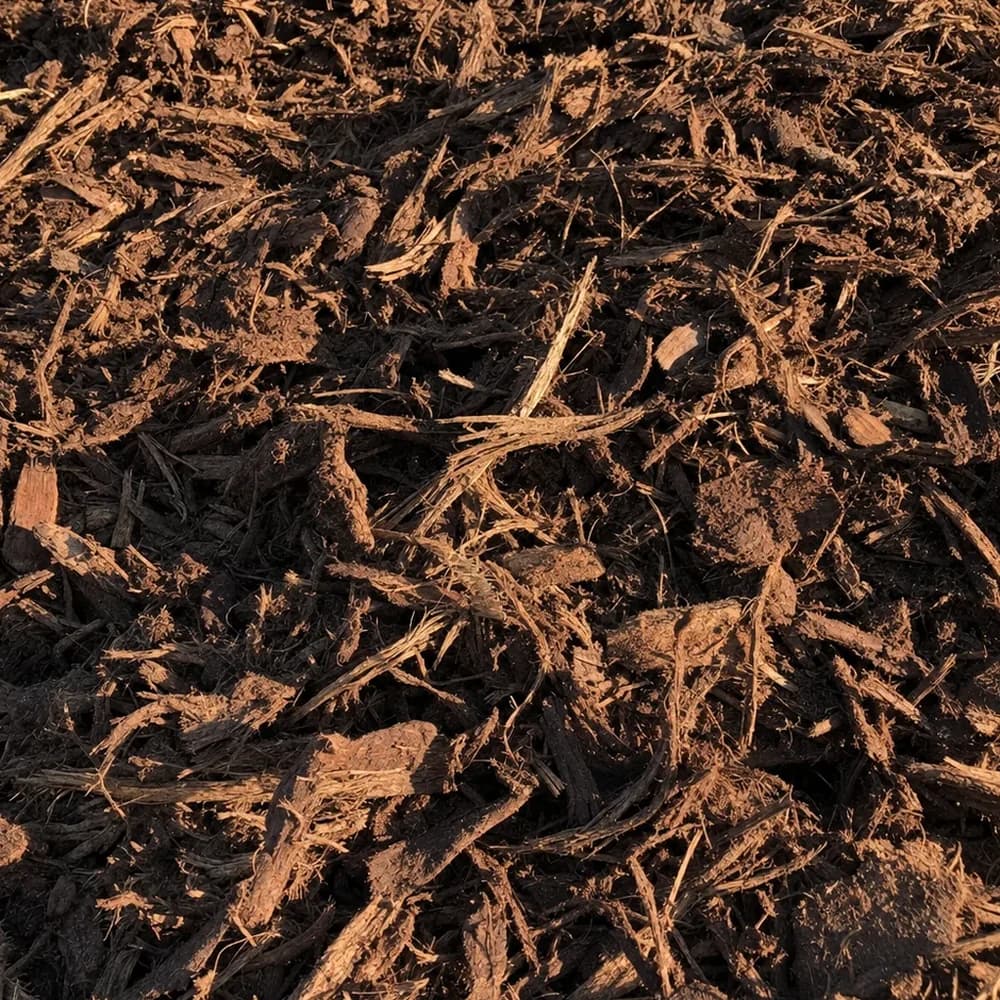
| Surface | Seed, sod, or shredded mulch in beds | Holds the soil in place while it establishes |
The order matters more on the river bottoms and the fragipan uplands than almost anywhere, because both hold water near the surface in a wet season. Get the grade and the outlet settled while the ground is bare, then bring the soil in.
| Spec | Figure |
|---|---|
| Screening | Screened, free of rocks, debris and large clumps |
| Grading | Balanced sand, silt and clay |
Expect some variation between loads in color and in how damp the material is, which is normal for any bulk soil and comes down to where it was stripped and what the weather has been doing. What stays constant is the screening and the balance of sand, silt and clay. If you are patching into an established lawn, spread a wheelbarrow load first and look at it next to the existing ground before the rest goes down, because a noticeably different texture at the seam is the thing people see later.
Seeding a creek bank, a fire pit clearing and a barn apron
Hypothetical layouts, worked through. Length times width times depth in feet, divided by 27, gives cubic yards.
Two banks beside a dry creek channel, each 50 feet by 4 feet, at 4 inches. 50 x 4 = 200 square feet per side, so 400 square feet in total. Four inches is 0.333 feet. 400 x 0.333 = 133.3 cubic feet. 133.3 divided by 27 = 4.9 cubic yards.
A seeded clearing around a fire pit surround, 20 feet by 18 feet with a 12 foot paved circle left out, at 3 inches. 20 x 18 = 360 square feet. The circle is 0.7854 x 144 = 113.1 square feet, leaving 246.9. Three inches is 0.25 feet. 246.9 x 0.25 = 61.7 cubic feet, or 2.3 cubic yards.
An apron of lawn around a new pole barn pad, 8 feet wide on all four sides of a 30 by 40 foot pad, at 4 inches. The outer rectangle is 46 x 54 = 2,484 square feet. Take out the pad at 1,200, leaving 1,284 square feet. 1,284 x 0.333 = 427.9 cubic feet, which is 15.8 cubic yards.
This site publishes screened topsoil at about 2,200 lb per cubic yard, roughly 1.10 tons per yard, so those three come out at approximately 5.4 tons, 2.5 tons and 17.4 tons.
Soil is sold by weight, so take your own measurements to the topsoil calculator for the tonnage. It handles rectangles, circles and up to five separate areas, takes depth in inches, and adds 5 percent by default for a little spare, which you can untick.
Getting it on the ground while the weather holds
On this page you choose a delivery date and then a quantity, with delivery set from the ZIP code at checkout. The truck needs a route in and firm ground to raise a bed over, and soil dumped on a saturated lawn in March is a repair job in waiting, so pick a spot on the drive or a hard apron and wheelbarrow from there.
Spread while the material is damp rather than sodden. Wet silt smears under a rake and seals its own surface, which is the opposite of what you want under seed. Rake to a consistent depth, firm it lightly so it does not slump, and get seed or sod on it before a hard rain moves it. Questions about depth over a particular yard are easier to settle with measurements, so send them through the contact page.
Quickly Calculate How Much You Need
Material: Top Soil
How to Measure
Measure the length and width of your project area in feet
Decide on depth in inches (2" for landscaping, 4" for driveways)
Enter the values above and we'll calculate the tonnage you need
Need help figuring out the right amount? We can help!
Call or text us at (812) 721-8126 and we'll help you calculate the right quantity for your project.
Not sure how much you need? The Topsoil Calculator has depth guides, coverage charts and worked examples for this material.
Frequently Asked Questions About Top Soil
Customer Reviews
Ordered top soil from this company and it showed up right when they said it would. The pricing felt fair and the amount I got was a good value. I'd definitely order again and recommend them to anyone needing top soil.
Mark B. · Fishers, IN · Verified Buyer
Ordered top soil from this company, and the driver was friendly and careful about where he placed it.
Michelle P. · Bloomington, IN · Verified Buyer
Decided on top soil from the team, and it showed up exactly when I expected. Really happy with how easy the whole thing was, 5 out of 5.
Doug W. · Fort Wayne, IN · Verified Buyer
Ordered top soil from the team and it showed up on the day they promised. Really happy with it, I'd definitely order again and recommend them.
Jennifer D. · Carmel, IN · Verified Buyer
Top Soil has 4 verified customer reviews with an average rating of 5 out of 5.