RipRap for Indiana Pond Banks, Ditches and Culvert Outlets
Choosing light aggregate for an Indiana runoff point can leave soil exposed. RipRap provides heavy protection for banks, shorelines, drainage routes, and culvert exits.
- Size: 4 inches to 12 inches and up
- Type: Large, heavy stone
From $436 for 1 ton, delivery included (larger loads cost significantly less per ton)
Free delivery included
Free delivery anywhere in Indiana
Pick a delivery date
Weekday delivery, earliest Oct 30
“Indiana Rock Supply provided a smooth experience all the way through. I was happy with the quality of the riprap. I appreciated the clear communication and friendly service.”
Kelly R. · Verified Buyer
Get a Free Quote
Fill out the form and our sales team will get back to you within the hour.
Size and Grading
- Size
- 4 inches to 12 inches and up
- Type
- Large, heavy stone
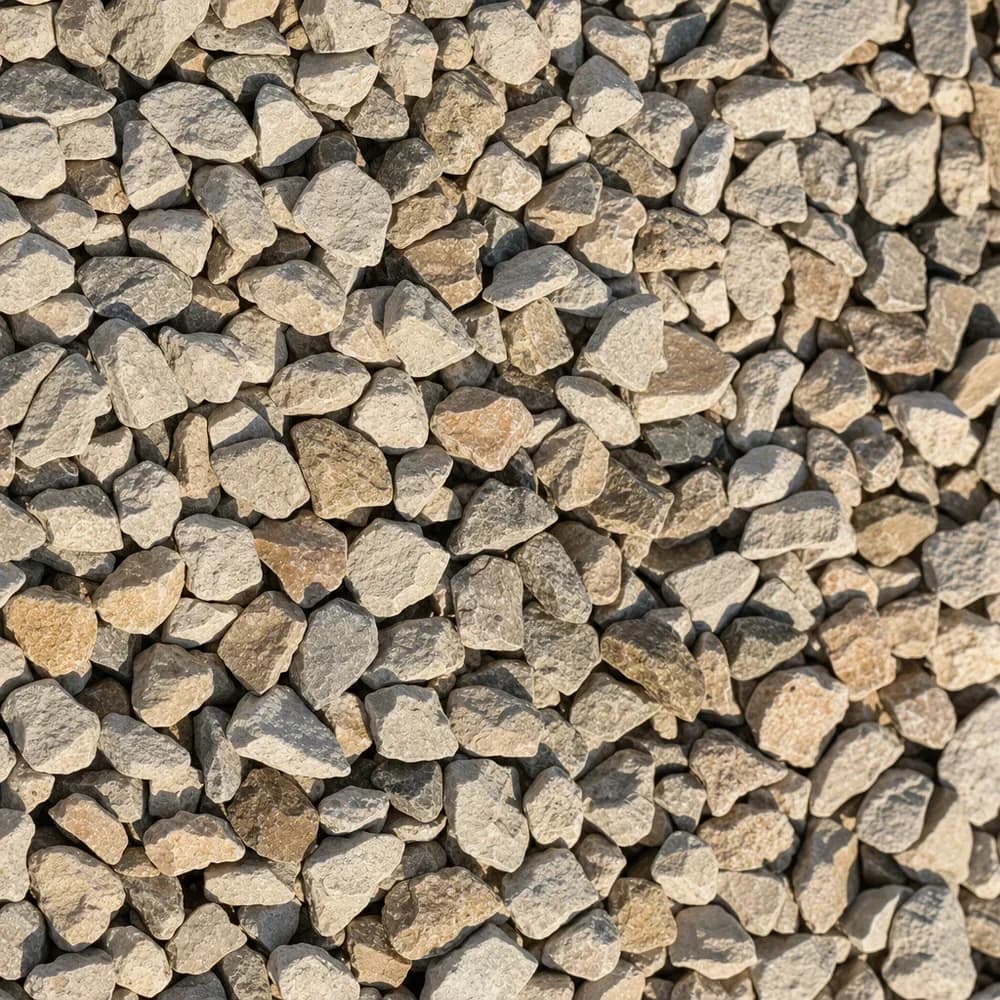
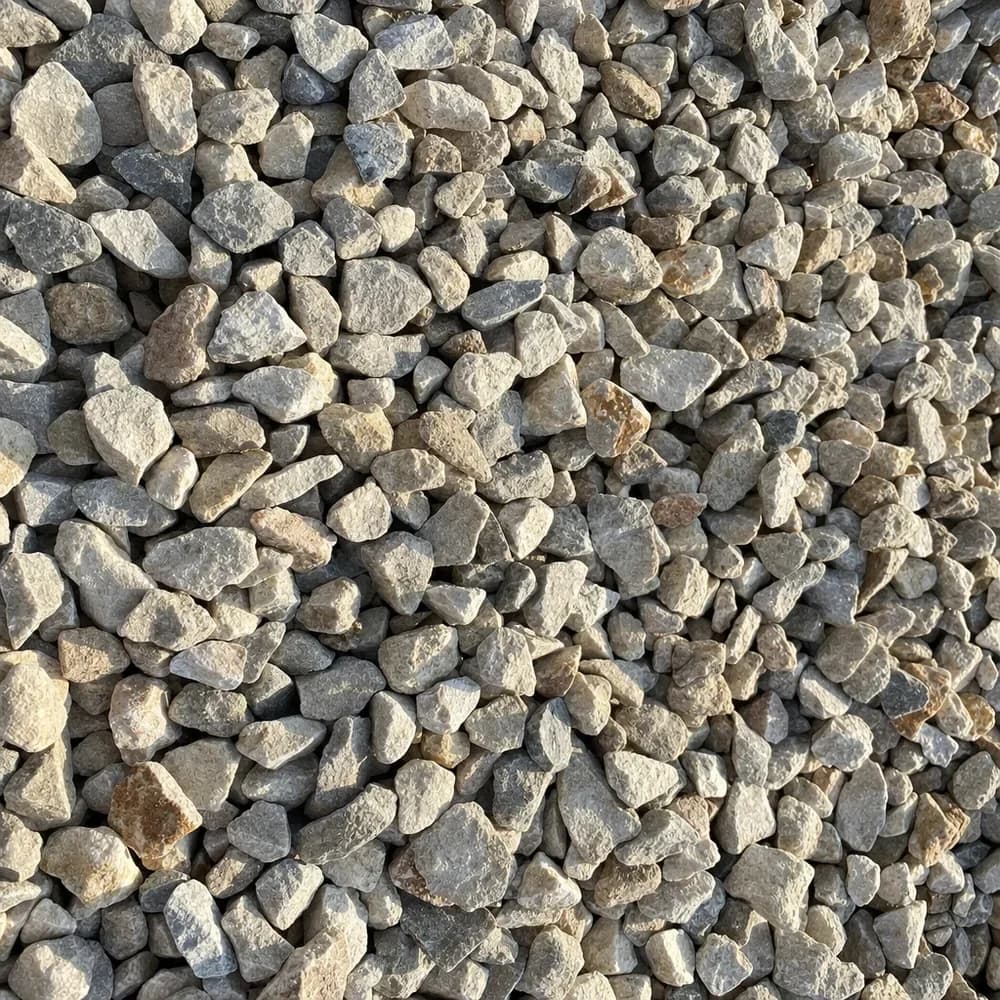
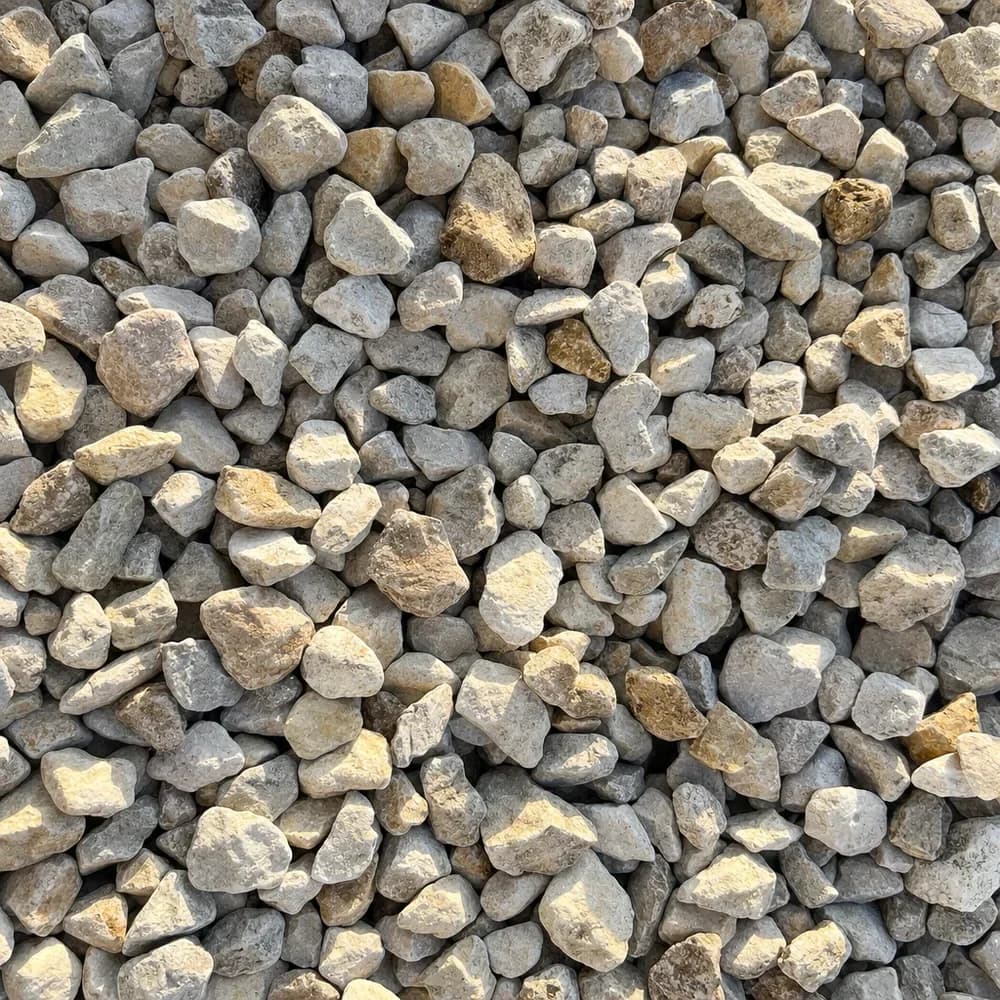
The pile does not look like the other materials on the yard. Riprap arrives as individual broken pieces from about four inches across up past twelve, angular, dull gray and heavy enough that a good many of them are a two-hand lift. There is no grading curve you can see and no fines holding it together. That is the point of it. Each piece is meant to be heavy enough to stay where it is put when water is moving hard past it, which on a slumping pond bank or a scoured ditch in the southern hills is the only quality that counts.
Reading the riprap size before you order it
| Spec | Figure |
|---|---|
| Size | 4 inches to 12 inches and up |
| Type | Large, heavy stone |
| Sold as | RipRap |
Locally, this material is specified by grade rather than by a size number: INDOT names revetment riprap along with Class 1 and Class 2. Those are the terms a county surveyor, a drainage board or an excavator in this state will use, and knowing them lets you describe what you need in the same language. They describe how material is specified around here, not paperwork issued with a load.
Angular pieces hold a slope better than rounded ones, because the flat faces bear against each other instead of rolling. That is the difference between this and the smooth stone in a decorative bed.
Where heavy stone earns its keep on hill and river ground
Culvert outlets. Water leaving a pipe carries all its energy into whatever it lands on. An armored apron starting at the pipe and carried out along the flow path takes that hit instead of the soil doing it.
Ditch and swale runs. In the south-central hills, runoff arrives fast down steep, narrow valleys and scours the bottom out of a ditch in a single storm. Lining the run keeps the channel where it was cut.
Pond banks and dam faces. Wave action and burrowing take a bank down a little every year. Heavy stone across the water line holds the face.
River and stream bank work. Bank erosion along the Ohio River and on the steep shale hillsides of the southeast is relentless, and shale slopes there are prone to slipping as well as washing.
Sinkhole-adjacent runoff. On the karst plain, water aimed into a sinkhole can carry soil and fill underground with it. Armoring the route it takes is not optional, and anything close to an active sinkhole is worth a conversation with the county before stone goes anywhere near it.
Where it is the wrong stone
It is a poor choice for anything people walk on. The gaps between pieces are ankle-sized and the faces are uneven. A path wants walkway gravel instead. It is wrong for a small ornamental bed, where the scale swamps everything planted around it and large river rock gives the same visual weight with a smoother look. It is wrong anywhere water only trickles, because the cost of moving stone that heavy buys nothing you could not get from a lighter material. And it does nothing at all for drainage through the ground: it protects a surface from moving water, it is not a drainage bed.
Planning the depth of the layer, not the depth of the hole
The thing to size is the thickness of the stone layer, and the rule of thumb everybody argues about comes down to one idea: no single piece should be sitting alone. A layer thick enough that stones are keyed against each other on every side stays put. A single-stone scatter is undone by one high flow.
For engineered work, the drainage board, the county surveyor or the design that governs the job sets the thickness, the bedding and the fabric under it. Take that figure rather than one from a web page. The examples below use assumed thicknesses purely to show the arithmetic.
Two things under the stone matter as much as the stone. A filter layer, either fabric or a graded bedding course, keeps water from pulling soil out through the gaps. And the toe, the bottom edge, has to be dug in below the scour line rather than stopped on the surface, because water will find that edge first.
Working out the load for an outlet, a ditch run and a rock bed
Worked examples, not jobs anyone has ordered. Length times width times depth in feet, divided by 27.
A culvert outlet apron, 16 feet long by 12 feet wide, layer assumed at 18 inches. 16 x 12 = 192 square feet. 18 inches is 1.5 feet. 192 x 1.5 = 288 cubic feet. 288 divided by 27 = 10.7 cubic yards.
A ditch run, 60 feet long with 7 feet of wetted perimeter to cover, layer assumed at 12 inches. 60 x 7 = 420 square feet, at 1 foot deep that is 420 cubic feet. 420 divided by 27 = 15.6 cubic yards.
A rock garden bed, 12 feet by 6 feet, stone set 10 inches deep. 12 x 6 = 72 square feet. Ten inches is 0.833 feet. 72 x 0.833 = 60 cubic feet, or 2.2 cubic yards.
This site publishes rip rap at about 3,100 lb per cubic yard, roughly 1.55 tons per yard, so those three come out at approximately 16.6 tons, 24.2 tons and 3.4 tons.
Stone is ordered by weight, so send your own measurements to the rip rap calculator, which takes length, width and depth, a circle or up to five areas, and adds a 5 percent margin by default, which you can untick.
What goes under the armor and what finishes the run
A filter or bedding course under the armor, usually a washed stone such as #57 stone, keeps soil from migrating through. Where the run continues past the armored section into a planted area, river rock finishes the visible stretch at a scale people will accept. Pick a date and a quantity on this page, with delivery arranged from your ZIP at checkout, and remember that heavy stone usually has to be placed by machine, so plan the dump spot within reach of one. If the approach to the bank is doubtful, raise it through the contact page before the date is set.
Quickly Calculate How Much You Need
Material: RipRap
How to Measure
Measure the length and width of your project area in feet
Decide on depth in inches (2" for landscaping, 4" for driveways)
Enter the values above and we'll calculate the tonnage you need
Need help figuring out the right amount? We can help!
Call or text us at (812) 721-8126 and we'll help you calculate the right quantity for your project.
Not sure how much you need? The Rip Rap Calculator has depth guides, coverage charts and worked examples for this material.
Frequently Asked Questions About RipRap
Customer Reviews
Got riprap from them and ordering was no fuss. Price was fair and I'd use them again.
Paul G. · Bloomington, IN · Verified Buyer
Ordered riprap from these guys and the delivery showed up right on schedule. They kept me updated the whole time, really happy with how easy it was.
Susan N. · South Bend, IN · Verified Buyer
Picked up riprap from them and was honestly really happy, free delivery made it super easy and everything showed up right where I needed it.
Diane R. · Bloomington, IN · Verified Buyer
A Solid Choice
Indiana Rock Supply provided a smooth experience all the way through. I was happy with the quality of the riprap. I appreciated the clear communication and friendly service.
Kelly R. · Carmel, IN · Verified Buyer
Needed riprap for a washout area and the team made it super easy. The driver was friendly and careful about where he placed it, which I really appreciated.
Frank T. · Carmel, IN · Verified Buyer
RipRap has 5 verified customer reviews with an average rating of 5 out of 5.