#53 Stone in Indiana
Also sold as Road Base
Also known as: 53 stone, CA #53
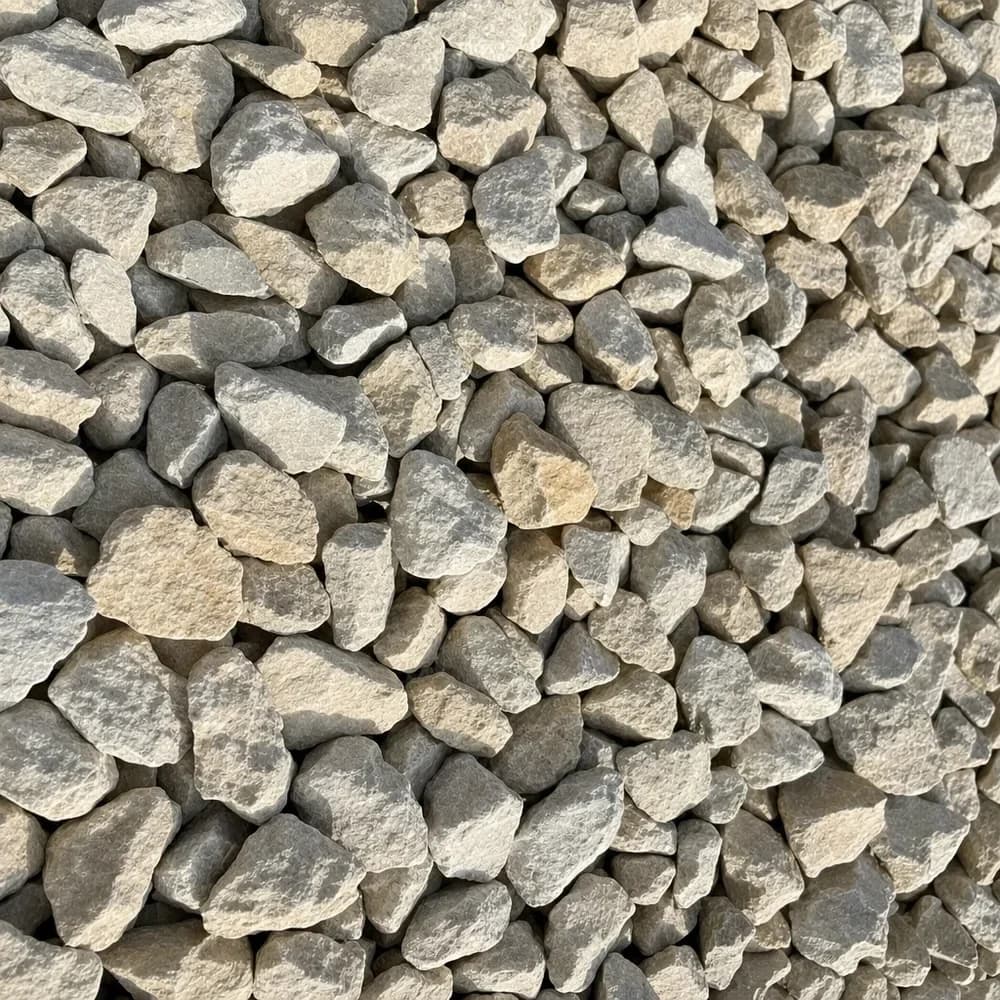
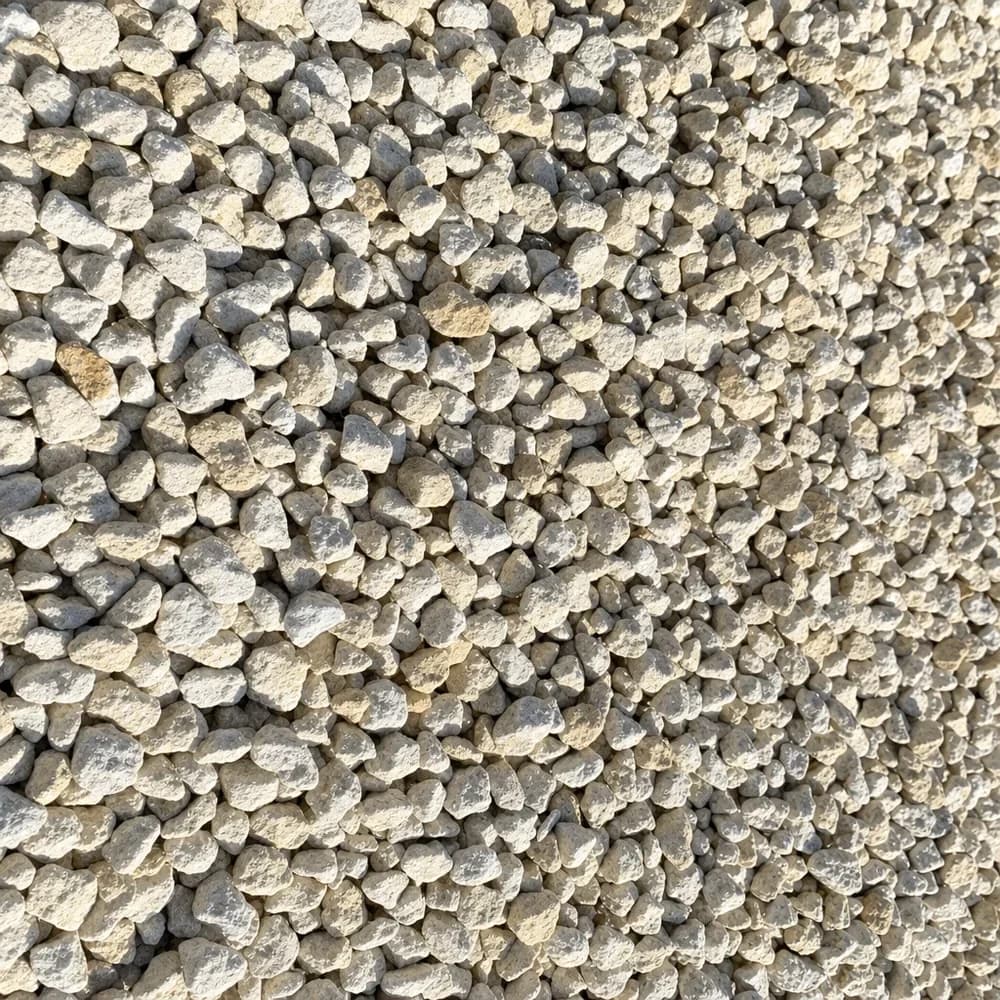
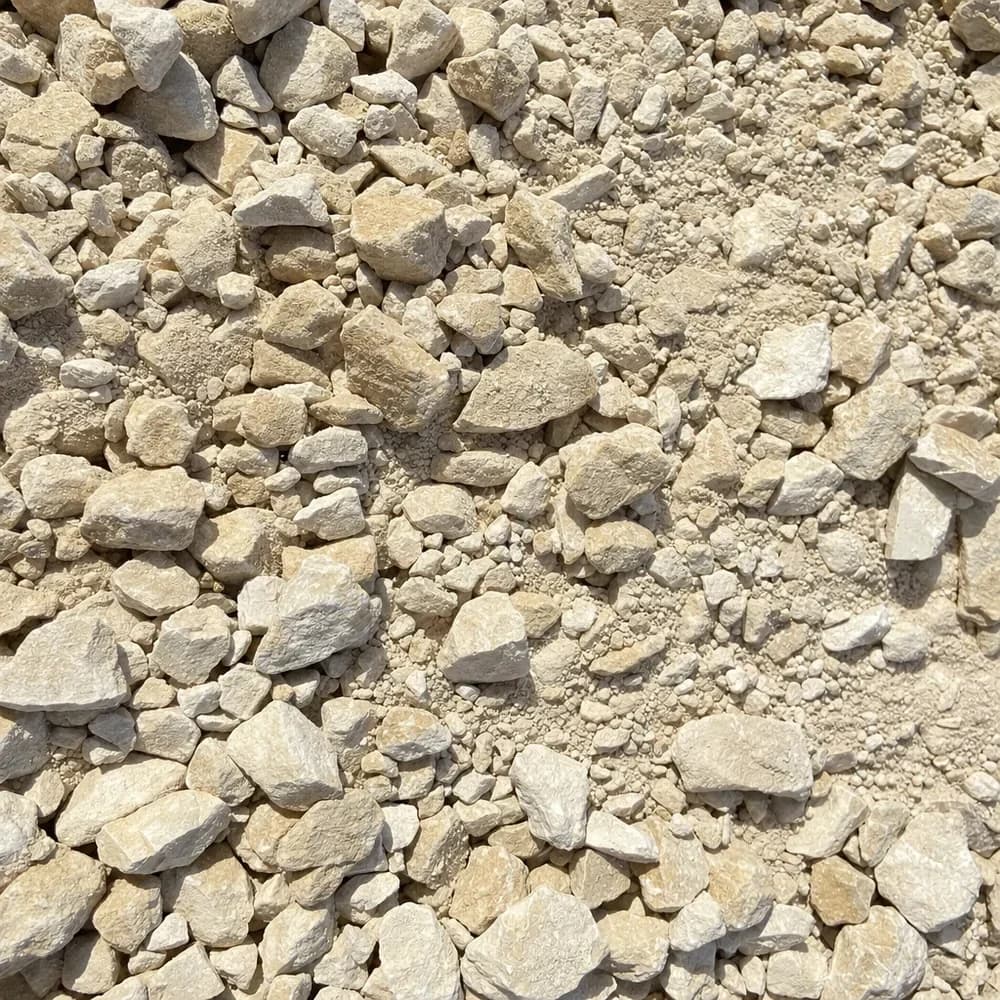
#53 Stone gives Indiana farm lanes and pole barn pads a compacted foundation for equipment traffic and regular vehicle use.
- Size: 3/4 inch minus
- Grading: Graded mix of crushed stone, gravel and binding fines
- Type: Crushed aggregate blend
From $385 for 1 ton, delivery included (larger loads cost significantly less per ton)
Free delivery included
Free delivery anywhere in Indiana
Pick a delivery date
Weekday delivery, earliest Oct 30
“Decided on #53 Stone from them and I'm really happy with how it turned out. The driver was friendly and careful about where he placed it, which made the whole thing easy.”
Steve M. · Verified Buyer
Get a Free Quote
Fill out the form and our sales team will get back to you within the hour.
Size and Grading
- Size
- 3/4 inch minus
- Grading
- Graded mix of crushed stone, gravel and binding fines
- Type
- Crushed aggregate blend
Two materials get pulled off the same yard and confused with each other every spring: #53 stone and the finer #73 size. They look alike in a pile. Under a loaded pickup on soft clay they behave nothing alike. #53 stone is the coarser of the two, a one inch minus mix with dust and fines built into the grading, and it is the layer that carries weight on a farm lane, a pole barn pad or the ground under a patio. The finer size belongs on top of it, not under it.
What you are actually buying when you order a ton of #53 stone
| Spec | Figure |
|---|---|
| Sold as | #53 Stone |
| Size | 3/4 inch minus |
| Grading | Graded mix of crushed stone, gravel and binding fines |
| Type | Crushed aggregate blend |
| How it is specified locally | INDOT uses size number 53 in Section 904 of its standard specifications for compacted aggregate |
The size number is worth knowing because it is the shorthand a county road crew, a concrete outfit or an excavator in this state will use. It describes how the material is graded. It is not a certificate that comes with the load, and anything engineered should be checked against the specification that governs that job.
The jobs a dense graded mix is bought for on till-plain ground
| Job | What the #53 layer does | What usually goes over it |
|---|---|---|
| Farm lane or field entrance | Spreads equipment and grain truck weight across soft subgrade | Nothing, or a thin topping of finer stone |
| Pole barn or equipment pad | Builds a firm, level working platform | Concrete slab, or left as the working surface |
| Drive rebuild after a wet spring | Replaces rutted material with a layer that packs | Driveway stone or #73 stone |
| Paver patio and walk | Carries the pavers so the setting sand is not doing structural work | Bedding sand, then pavers |
| Construction entrance off a county road | Keeps trucks out of the mud and mud off the road | Nothing |
Why the clay under it decides how thick the layer has to be
Across the flat central till plain the subgrade is dense glacial clay that drains slowly, which is the reason so much of this farmland runs on tile. Water that gets into an aggregate layer on that ground has nowhere to go unless somebody gives it a route. Winter then does the rest: repeated freeze and thaw heaves a drive, and the spring melt softens the clay beneath it before the ground has dried out.
Three things follow from that, and they matter more than the tonnage.
- Fix soft ground before the stone goes on. A base does not repair a subgrade that pumps water when you walk on it.
- Give the layer an outlet. A crowned surface, a shallow side ditch or a tile connection all work. A flat pad ringed by turf does not.
- Compact in lifts while the material still holds moisture. Dry #53 stone will not tie together, and a single thick dump will not either.
Footing depth is a separate question from base depth, and it is set locally. In the Indianapolis area the figure commonly used is about 30 inches, and the City of Lawrence requires footings at least that deep. Counties toward the north use deeper numbers. Check with the building department that covers your parcel rather than carrying a figure across the state.
Three sample layouts and the yardage behind them
These are worked examples, not jobs anyone has ordered. The arithmetic is the same each time: length times width times depth in feet, divided by 27.
A maintenance track around a farm pond bank, 90 feet by 8 feet at 4 inches. 90 x 8 = 720 square feet. Four inches is 0.333 feet, so 720 x 0.333 = 240 cubic feet. 240 divided by 27 = 8.9 cubic yards.
A construction entrance off the road, 40 feet by 14 feet at 6 inches. 40 x 14 = 560 square feet. Six inches is 0.5 feet, so 560 x 0.5 = 280 cubic feet. 280 divided by 27 = 10.4 cubic yards.
A paver patio base, 16 feet by 12 feet at 5 inches. 16 x 12 = 192 square feet. Five inches is 0.417 feet, so 192 x 0.417 = 80 cubic feet. 80 divided by 27 = 3.0 cubic yards.
This site publishes road base at about 3,000 lb per cubic yard, roughly 1.50 tons per yard, so those three come out at approximately 13.4 tons, 15.6 tons and 4.5 tons.
Aggregate is sold by the ton, not the yard, and the conversion depends on the material. Run your own figures through the #53 stone calculator, which asks for length, width and depth, handles up to five separate areas or a circle, and adds 10 percent by default as a margin for spread and compaction loss, which you can untick.
Getting the site ready before the load shows up
Order on this page by picking a delivery date and then a quantity. Delivery is arranged at checkout from your ZIP code.
The truck has to reach the spot and be able to raise a bed there, so walk the approach first. Look for low limbs over the lane, a soft shoulder where the wheels will sit, and a turnaround that does not ask the driver to back 300 feet blind. Mark the dump spot with a stake or a bucket. In a wet week, pick firm ground near the work rather than the work itself, and move the stone with a tractor or a skid steer once it is down.
If you are still deciding between sizes, #73 stone gives a tighter, smoother pack for topping and shoulders, while #53 stone is the one to order when the layer has to carry something. Questions about depth for a particular lane are easier answered with measurements in hand, so send them through the contact page.
Quickly Calculate How Much You Need
Material: #53 Stone
How to Measure
Measure the length and width of your project area in feet
Decide on depth in inches (2" for landscaping, 4" for driveways)
Enter the values above and we'll calculate the tonnage you need
Need help figuring out the right amount? We can help!
Call or text us at (812) 721-8126 and we'll help you calculate the right quantity for your project.
Not sure how much you need? The Road Base Calculator has depth guides, coverage charts and worked examples for this material.
Frequently Asked Questions About #53 Stone
Customer Reviews
Went with Indiana Rock Supply for #53 Stone and everything was super easy. They delivered when they said they would, and I'm really happy with how it turned out.
Rachel D. · South Bend, IN · Verified Buyer
Had these guys bring out #53 Stone and it was exactly what I needed. Delivery was easy, price felt fair, and I'd definitely order again.
Gina R. · Evansville, IN · Verified Buyer
Decided on #53 Stone from them and I'm really happy with how it turned out. The driver was friendly and careful about where he placed it, which made the whole thing easy.
Steve M. · Bloomington, IN · Verified Buyer
Had #53 Stone delivered by this company and it was clean and consistent. They kept me updated the whole time, which I really appreciated. Super happy with how easy it all went.
Nate A. · Fort Wayne, IN · Verified Buyer
Went with Indiana Rock Supply for #53 Stone and I'm really happy with how it turned out. Price was fair, and the free delivery made it an even better deal.
Jeff P. · Fort Wayne, IN · Verified Buyer
#53 Stone has 5 verified customer reviews with an average rating of 5 out of 5.