Washed Sand for Trench and Bedding Work in Southwest Indiana
High-water-table ground in Indiana calls for orderly trench work; Washed Sand is clean material for pipe bedding, backfill, and concrete.
- Size: Coarse-grained
- Grading: Washed; free of clay, silt and organic debris
From $624 for 1 ton, delivery included (larger loads cost significantly less per ton)
Free delivery included
Free delivery anywhere in Indiana
Pick a delivery date
Weekday delivery, earliest Oct 30
“Needed washed sand and was really happy with them, price was fair and the delivery showed up the day they promised.”
Tony E. · Verified Buyer
Get a Free Quote
Fill out the form and our sales team will get back to you within the hour.
Size and Grading
- Size
- Coarse-grained
- Grading
- Washed; free of clay, silt and organic debris
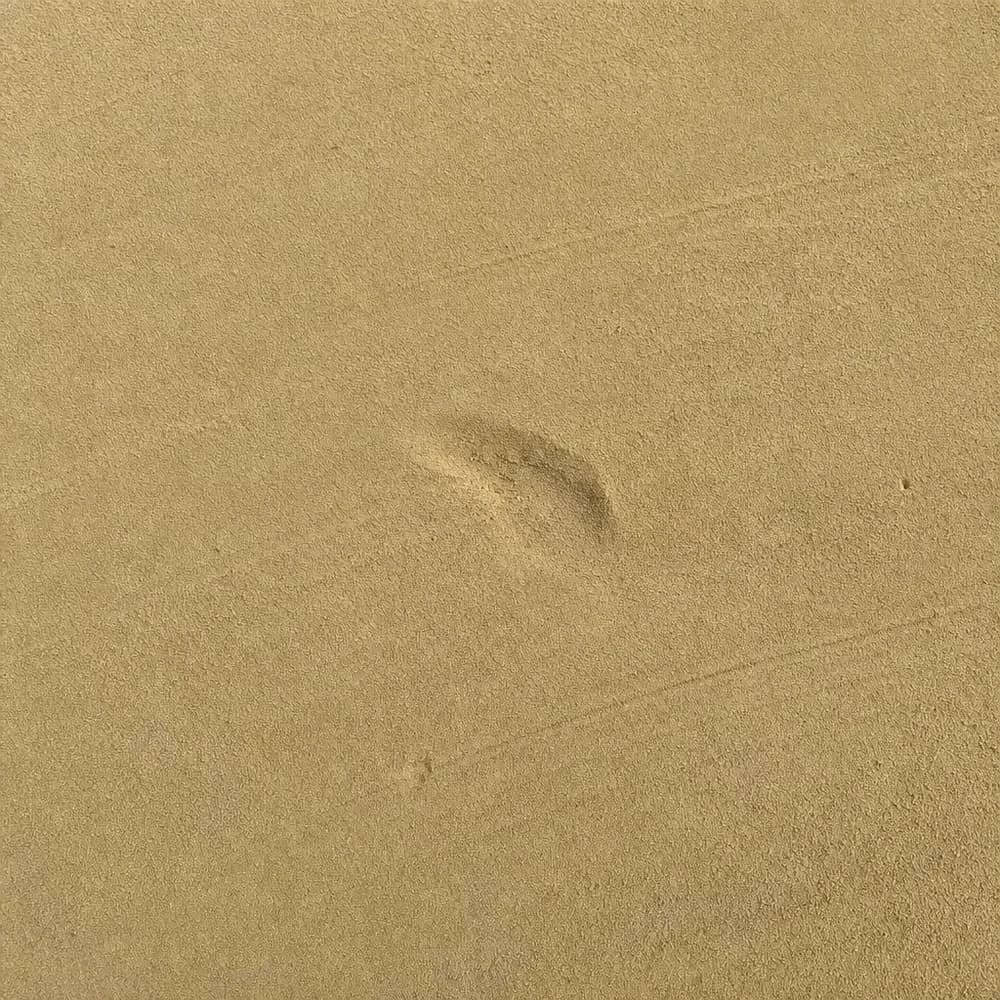
Two bulk sands leave for jobs that look alike on the river bottoms, and the coarse one is this. Down in the Wabash and White valleys the native ground is fine: the thickest wind-blown silt in the state lies in these counties, with sandy dune ridges beside the rivers and flat lake-bed clay in between. None of that is material you want to put back around a pipe. Washed sand is the selected fill you bring in instead, coarse-grained and washed clear of the clay, silt and organic debris that make excavated ground unreliable underground.
| Spec | Figure |
|---|---|
| Size | Coarse-grained |
| Grading | Washed, free of clay, silt and organic debris |
Washed sand against mason sand and the material out of your own trench
| Material | Texture | What it suits |
|---|---|---|
| Washed Sand | Coarse-grained, washed | Concrete and mortar mixing, pipe and cable bedding, trench backfill, leveling |
| Mason sand | Ultra-fine, washed | Paver bedding and joints, brick and block work, play sand |
| Stone screenings | Crushed fines, angular | Setting beds and compacted paths, where a layer has to stay put |
| Spoil from the cut | Whatever the site is | Filling the top of a trench, once the sensitive part is done |
Coarseness is the whole distinction. A coarse grain drains faster, compacts to a firmer result, and holds a shape better under a load, which is why it is the one specified around pipe and in a concrete mix. A fine grain screeds to a truer plane and sweeps into joints, which is why the other one beds pavers. Neither substitutes cleanly for the other, and the failure is not dramatic: it is a paver bed that stays wet, or a pipe surround that settles.
The last row matters as much as the first on the bottoms. Silt and clay from the cut go back soft, hold water and consolidate for years afterwards, which is how a trench across a yard ends up as a visible depression two summers later.
Where a coarse washed sand earns its place on bottomland ground
Around buried pipe, conduit and cable. It flows into the haunches under a pipe and surrounds it evenly, so the load is spread rather than concentrated on two points, and nothing sharp bears against the coating.
As trench backfill in the sensitive zone. Above the bedding and below the general fill, it compacts predictably in confined space where a clay backfill will not.
In concrete and mortar mixed on site. Clean sand gives a mix that behaves the same from batch to batch. Sand with clay in it does not, which is the usual reason a self-mixed pad comes out inconsistent.
Leveling and setting fall. It moves into shallow hollows and screeds off, so it brings a working surface up and gives it a slope before whatever goes on top.
One local qualifier. Low valley bottoms and lake-bed flats drain slowly and flood when the Wabash, the White or the Patoka run high, and many upland loess soils have a fragipan holding water near the surface in a wet season. A sand-filled trench in that ground is a drainage route whether you intended it or not, and it will carry water along the line toward whatever is at the low end, a basement wall included. Where that is a risk, break the run with a clay plug or make sure the low end discharges somewhere harmless. In places old underground coal mines can also let the ground settle, which is worth knowing before you bury anything that has to stay in line.
Bedding thickness, and how much a sand layer loses when it is compacted
Work in compacted depth and order a little over it. A confined sand layer typically loses something in the order of a tenth of its loose height when it is properly compacted, less than a soil and much less than a fine material placed dry.
Useful working figures. Pipe bedding is normally four to six inches of sand beneath the barrel, with the same material carried up around the haunches and over the crown before general fill goes back. A leveling course under a slab or a paved surface is an inch to an inch and a half, no more, because sand is a setting layer and not a base. A sand play surface is a different proposition: there you are working in real depth, eight to twelve inches, because the depth is the point.
Compact in lifts, and damp rather than dry or saturated. Dry sand will not consolidate and flooded sand simply moves.
Tons for a play area, a pad leveling course and a lane trench
Hypothetical jobs, worked through so the arithmetic shows. Length times width times depth, all in feet, divided by 27, gives cubic yards. The site publishes about 2,700 lb per cubic yard for washed and mason sand, roughly 1.35 tons per cubic yard, so these tonnages are approximate.
A play area, 12 feet by 12 feet at 8 inches. 12 x 12 = 144 square feet. Eight inches is 0.667 feet, so 144 x 0.667 = 96 cubic feet. 96 divided by 27 = 3.6 cubic yards, about 4.8 tons. Read the FAQ below before ordering this one, because coarse sand is not the grade most people want under bare feet.
A leveling course under a paved RV and boat pad, 12 feet by 34 feet at 1.5 inches. 12 x 34 = 408 square feet. An inch and a half is 0.125 feet, so 408 x 0.125 = 51 cubic feet. 51 divided by 27 = 1.9 cubic yards, roughly 2.6 tons. The compacted stone base under it is a separate and much larger order.
A water line down a long rural lane, 400 feet, trench 12 inches wide, sand 10 inches deep around a 4 inch pipe. 400 x 1 = 400 square feet of trench floor. Ten inches is 0.833 feet, so 400 x 0.833 = 333 cubic feet, which is 12.3 cubic yards. The pipe itself occupies 3.14 x 0.167 x 0.167 x 400, about 35 cubic feet, or 1.3 cubic yards. That leaves roughly 11.0 cubic yards of sand, about 14.9 tons.
Put your own measurements into the sand calculator, which takes length and width in feet, depth in inches, a circle or up to five separate areas, and a 5 percent margin it adds by default, which you can untick. For a bedding layer under pavers, the paver sand calculator is set up for that thickness.
Keeping a sand pile out of the wind and out of the ditch
Order by choosing a delivery date and then a quantity here, with delivery arranged from your ZIP code at checkout.
Sand needs more thought on the ground than stone does. It travels. Dry sand blows off an exposed pile on a windy river-bottom lot, and rain moves it downhill into whatever is below, which on a bottomland site is often a ditch or a field drain. Pick a dump spot on firm, level ground away from any drain or open ditch, have a tarp ready, and use it between working sessions. Wet sand is heavy and sticky and will not screed, so a pile left uncovered before a rainy week costs you working days.
If a trench volume needs checking before you book a date, send the measurements through the contact page.
Quickly Calculate How Much You Need
Material: Washed Sand
How to Measure
Measure the length and width of your project area in feet
Decide on depth in inches (2" for landscaping, 4" for driveways)
Enter the values above and we'll calculate the tonnage you need
Need help figuring out the right amount? We can help!
Call or text us at (812) 721-8126 and we'll help you calculate the right quantity for your project.
Not sure how much you need? The Sand Calculator has depth guides, coverage charts and worked examples for this material.
Frequently Asked Questions About Washed Sand
Customer Reviews
Ordered washed sand from Indiana Rock Supply and ordering was quick. Delivery showed up when expected and the washed sand was just what I needed.
Amanda L. · Fort Wayne, IN · Verified Buyer
Needed washed sand and was really happy with them, price was fair and the delivery showed up the day they promised.
Tony E. · Fishers, IN · Verified Buyer
Ordered washed sand from the team and the whole thing was painless. Delivery showed up when expected and the washed sand was just what I needed.
Susan L. · Indianapolis, IN · Verified Buyer
Ordered washed sand from them and it was super simple. The free delivery was a nice bonus, and I'm really happy with how it all went.
Stephanie B. · Fishers, IN · Verified Buyer
Washed Sand has 4 verified customer reviews with an average rating of 5 out of 5.
Washed Sand delivery across Indiana
- Indianapolis
- Fort Wayne
- Evansville
- Fishers
- South Bend
- Carmel
- Bloomington
- Hammond
- Noblesville
- Lafayette
- Greenwood
- Gary